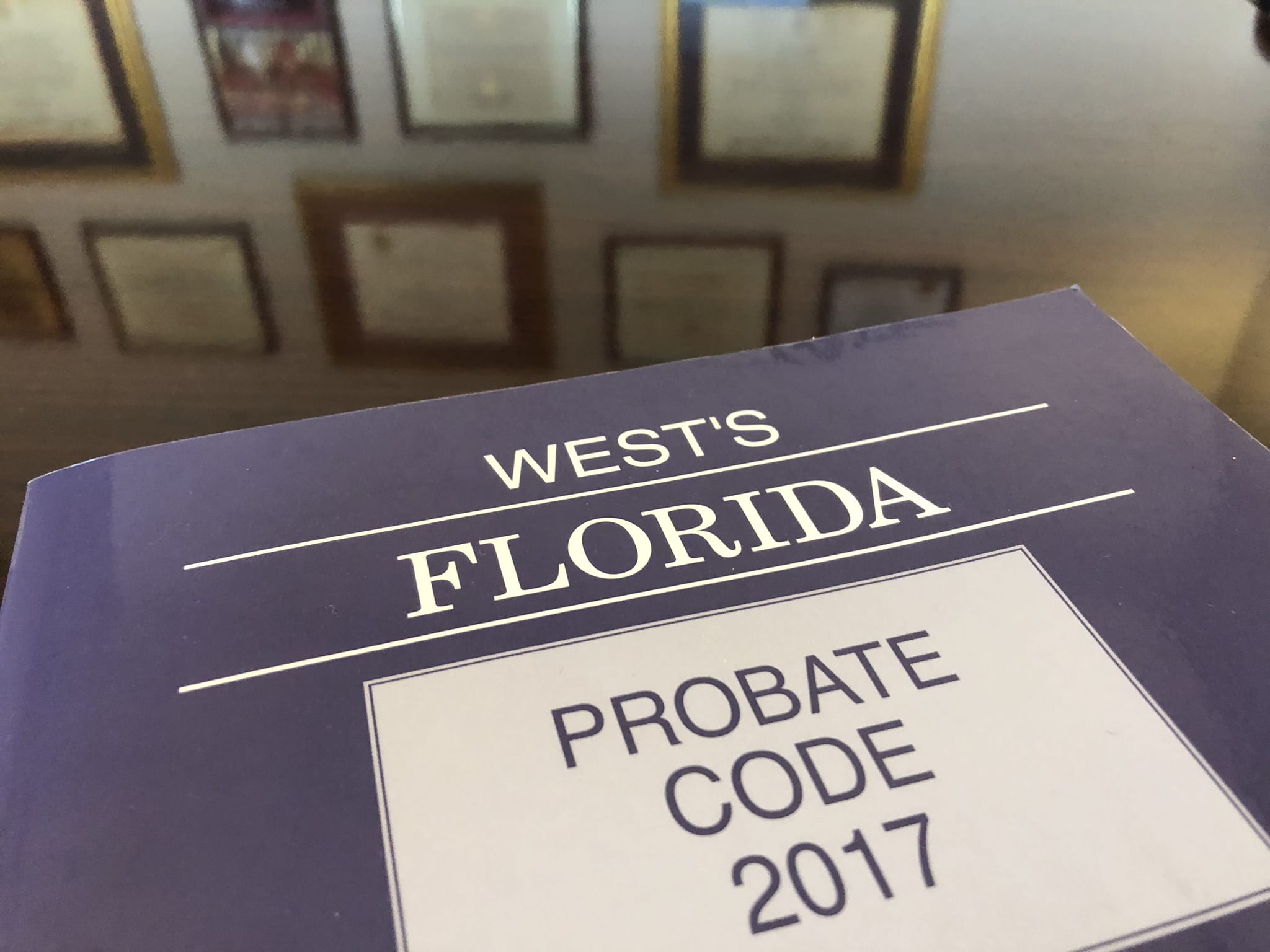
Probate process in Bradenton is a legal process in which a decedent’s properties are transferred to heirs and his or her debts may be paid or settled. The properties should be in the name of the decedent only. If the decedent has a will and has property subject to probate, the initiation of the probate process begins. Essentials of the Probate Process The probate process is a legal procedure through which a departed person’s legal title to a property (solely in the decedent’s name and not distributed by law) can be transferred to beneficiaries or declared heirs. Through this process, the departed’s debts may be paid off. Given that the decedent had a will and the decedent had property, subject to probate, the probate starts when the executor presents the decedent’s will in the courthouse in the county where the departed lived and where the property concerned stands. In case the decedent had no will at all, someone should ask the court to assign him or her as the executivor of the decedent’s property. It is usually the departed’s adult child or spouse. Once that person is appointed by the court, the executor becomes the estate’s legal representative. Four Essential Steps of Probate 1. File the petition and notify the beneficiaries and heirs. This is an effort to notify other people of the proceeding’s beginning. 2. You, as the personal representative, should provide notice to all of the known creditors. You should also take an inventory of the property. 3. All taxes, funeral expenses, and debts should be paid from the decedent’s property. The departed’s personal representative should determine which claims made by the creditor are legitimate. 4. The legal title of the decedent’s property is passed on according to the decedent’s will or according to the laws of intestacy (this is if the departed did not leave a will). The probate process is simpler if the decedent has a well-drafted will, which has been updated constantly. When this happens, the probate process is easier for the decedent’s personal representative. For a free probate consultation today, please call us at 941-365-2253; or learn more about our Services here.
Contact Us For More Information
Or Call 941-365-2253 for a Free Consultation
NOTE: The use of the Internet or this form for communication with the firm does not establish an attorney-client relationship. Confidential or time-sensitive information should not be sent through this form.
Probate Administration Professionals You Can Trust in Lakewood Ranch Probate administration kicks in when a person passes away in Lakewood Ranch and they have debts and assets at the end of their life. When there is a will, these assets are handled according to the laws of an area, and the requirements set forth in…
In the world of Florida estate planning, few tools generate as much buzz as the Enhanced Life Estate Deed, affectionately known as the “Lady Bird Deed.” Clients often ask me if this deed is a “magic bullet” that solves every estate problem. The answer, as with most legal matters, is: It depends. While it is…
If you are considering setting up a special needs trust in Lakewood Ranch for a loved one, you should first familiarize yourself with it. A special needs trust is usually arranged for a person who has special needs. This is to supplement the benefits that the person with special needs receives from certain government programs….
If you own property in more than one state, including Florida, you may face the prospect of ancillary probate when you pass away. Ancillary probate is the legal process required to transfer ownership of out-of-state assets to beneficiaries. This can add time, expense, and complexity to the estate administration process. However, with proper estate planning,…
Overview: Being named a successor trustee is an honor, but it comes with immediate legal responsibilities that many people are not prepared for. When the grantor of a revocable living trust passes away, the trust becomes irrevocable, and the successor trustee steps into a role governed by the Florida Trust Code. Missteps in the first…
Estate Planning Lawyers in Sarasota Can Help Provide Peace of Mind. Handling estate planning on your own can be like trying to navigate a ship at sea with little to no knowledge of what you are doing. Getting the help you need is important to make sure your estate is secured for your beneficiaries. Estate…