FAQs

At Bart Scovill, PLC, I believe that clarity is the first step in effective legal planning. Below are answers to common questions I receive regarding Estate Planning, Probate Administration, and Business Law in Florida.

General Firm Questions

I serve clients throughout Sarasota and Manatee Counties. My office is located in University Park, which allows me to conveniently serve clients from both Sarasota and Bradenton. I also assist clients in Venice, Lakewood Ranch, and the surrounding areas.

I offer a complimentary initial consultation for estate planning matters. This meeting allows me to get to know you, understand your goals, and determine if my firm is the right fit for your needs without any upfront financial obligation.

Call for your free consultation today!
941-365-2253

Estate planning is a complex area of law that involves more than just drafting documents. It requires a deep understanding of Florida’s specific homestead laws, probate rules, and tax implications. By working with an attorney who focuses exclusively on this practice area, you can be confident that your plan is designed to work in the real world, not just on paper.


Estate Planning (Wills & Trusts)

A Last Will and Testament is a legal document that provides instructions for how your assets should be distributed after you pass away. However, a Will must go through the probate process in court before assets can be released to your heirs.

A Revocable Living Trust is a legal entity you create during your lifetime to hold your assets. The primary benefit of a Trust is that, when properly funded, it can allow your estate to be settled privately and efficiently without the need for court intervention (probate).

This is a common misconception. A Will is actually a set of instructions for the probate court. If you own assets in your individual name at the time of your death, your Will must be submitted to the probate court to give your Personal Representative the authority to distribute those assets.

If you pass away without a Will (intestate), the State of Florida effectively writes one for you. Your assets will be distributed according to rigid state statutes, which generally prioritize a surviving spouse and children. This default plan may not align with your actual family dynamic or wishes.

Yes. In Florida, being married does not automatically give your spouse the legal authority to sell property titled in your name, access your individual financial accounts, or sign legal contracts on your behalf. A Durable Power of Attorney ensures that your trusted agent (often your spouse) can manage your financial affairs immediately if you become incapacitated.


Probate Administration

Probate is the court-supervised legal process of identifying a deceased person’s assets, paying off their legitimate debts, and distributing the remaining property to their beneficiaries. In Florida, this process is required when someone passes away owning assets in their sole name (without a designated beneficiary or joint owner).

The timeline depends on the type of administration and the complexity of the estate:

  • Summary Administration: Available for estates worth less than $75,000 (excluding the homestead) or if the decedent passed away more than two years ago. This process is generally faster, often taking a few months.

Formal Administration: Required for larger estates. This process typically takes between 6 months to a year, though it can take longer if there are disputes, creditor issues, or complex assets to liquidate.

Yes. I frequently work with out-of-state Personal Representatives who have lost a loved one in Florida. In most cases, I can handle the entire probate process remotely via email, phone, and mail, so you do not need to travel to Florida for court hearings.


Business Succession & Planning

Without a plan, your business could freeze upon your death or incapacity. Your family may be unable to access business bank accounts, pay employees, or fulfill contracts. I help business owners create Succession Plans, often utilizing Trusts and Operating Agreements, to ensure the business can continue to run or be sold smoothly without court interference.

Yes. Assigning your business interests to your Revocable Living Trust is a common strategy to avoid probate for your business assets. This provides your successor trustee with the immediate authority to step into your shoes and manage the business interests should you pass away or become incapacitated.


Legal & Tax Disclaimer

The hiring of a lawyer is an important decision that should not be based solely upon advertisements. Before you decide, ask me to send you free written information about my qualifications.

This website is for informational purposes only and does not constitute legal or tax advice. No attorney-client relationship is created by reading this content. Please consult a qualified attorney or tax professional regarding your specific circumstances.


Latest Articles


Contact Us For More Information
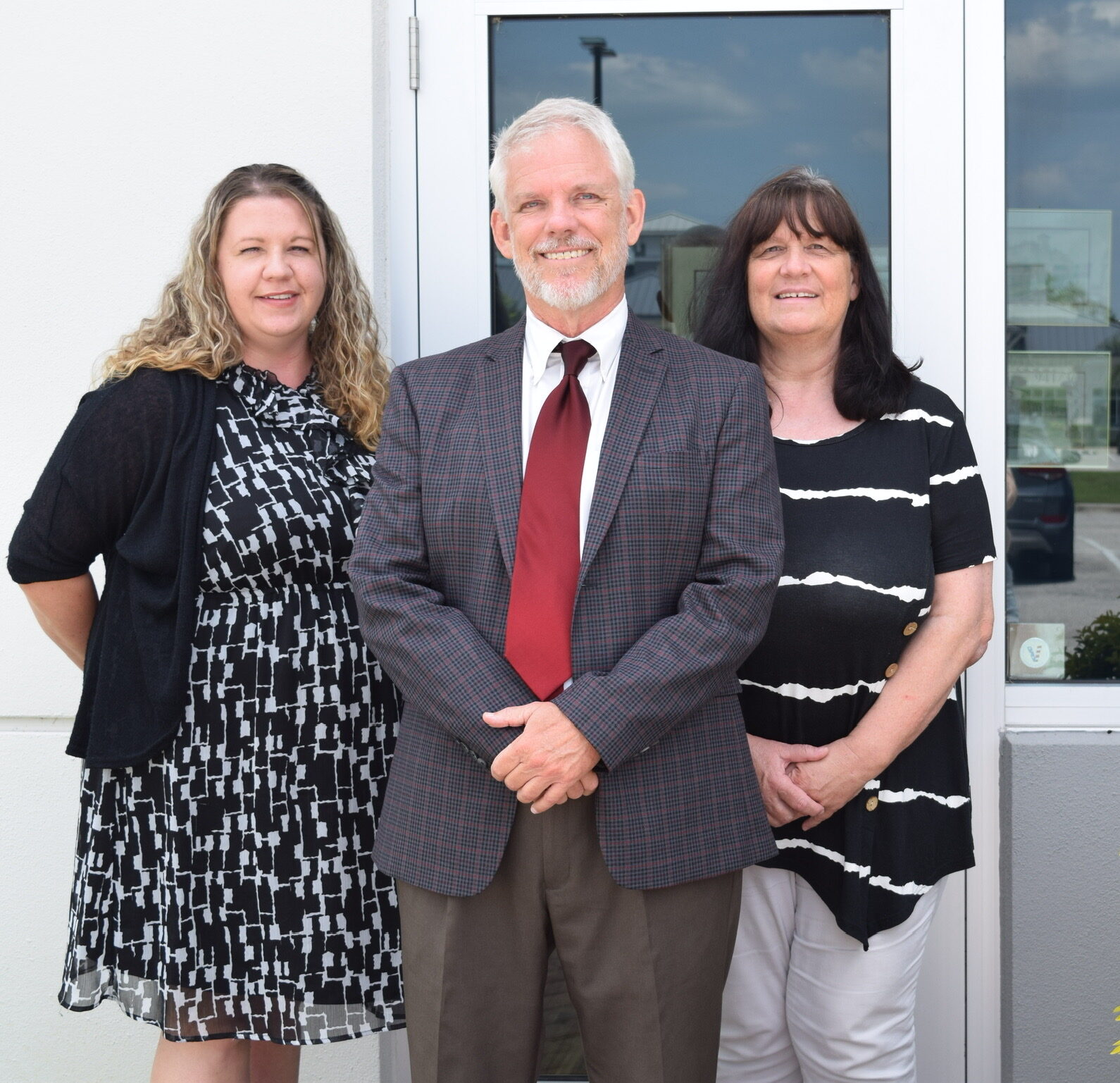
Bart Scovill with team members in front of University Park law office

Or Call 941-365-2253 for a Free Consultation

NOTE: The use of the Internet or this form for communication with the firm does not establish an attorney-client relationship. Confidential or time-sensitive information should not be sent through this form.