The 2026 Florida Estate Planning Checklist: 5 Updates to Make Now
Happy New Year! As we settle into January 2026, many of us are focused on resolutions for health and organization. But while you are clearing out the garage or setting new fitness goals, don’t overlook the “health” of your legal documents.
For Florida residents, the start of the year is the critical window to ensure your estate plan still works the way you intend. Laws change, families grow, and documents that worked five years ago may now be outdated.
To help you prioritize, here is our “Do This, Not That” checklist to protect your family and legacy in 2026.
1. Do: Audit Your Plan for Major “Life Events”
Not That: Assume your 10-year-old Will is “good enough.”
The most common estate planning mistake isn’t legal; it’s personal. If your family dynamic has shifted since you last signed your documents, your plan might now result in unintended consequences.
- The “Life Event” Checklist: Have you experienced a marriage, divorce, birth of a grandchild, or the loss of a spouse in the last few years?
- Action Step: If you answered “yes,” you likely need to update your Florida Will or Trust. For example, if your Will leaves assets to a beneficiary who has since passed away, those assets might get tied up in court or pass to someone you didn’t intend.
- Service Focus: Revocable Living Trusts are excellent tools for handling these changes without rewriting your entire plan every time.
2. Do: Verify Your Incapacity Documents (POAs)
Not That: Assume your spouse can automatically manage your affairs.
Many people mistakenly believe that being married gives them the automatic right to sign legal contracts or access individual bank accounts for their spouse. In Florida, this is not true. If you were to become incapacitated due to an illness or accident, your family could be locked out of your finances without a court order.
- Action Step: Ensure you have a current Durable Power of Attorney and Health Care Surrogate. These documents allow your trusted agent to act for you immediately, without the need for a costly Guardianship proceeding.
- Note: If your Power of Attorney is more than 5-10 years old, some financial institutions may hesitate to honor it. Refreshing these documents is a quick but vital service.
3. Do: Audit Your Beneficiary Designations
Not That: Rely solely on your Will to distribute everything.
Your Will acts as a safety net, but it doesn’t control “contract” assets like Life Insurance, IRAs, or 401(k)s. Those pass directly to the person listed on your beneficiary form, regardless of what your Will says.
- The Trap: We often see ex-spouses or deceased relatives still listed on these forms. This overrides your current estate plan.
- Action Step: Log in to your accounts this month. Make sure the primary and contingent beneficiaries match your current wishes. If you have a Trust, discuss with your estate planning attorney in Sarasota whether your Trust should be the beneficiary to protect those funds for your heirs.
4. Do: Review Your Trust for “Formula” Clauses
Not That: Ignore the changing Federal limits.
While we generally advise focusing on family dynamics over tax calculations, it is important to check if your Trust uses old “formula clauses.” Some older trusts were written to automatically split assets based on the federal estate tax exemption at the time of death.
- The Issue: With the Florida estate tax limits for 2026 (tied to federal changes) shifting, an old formula might accidentally leave too much to a restricted “Credit Shelter Trust” and not enough to your surviving spouse.
- Action Step: Have an attorney review the specific funding language in your Trust to ensure it still achieves your goals under the current laws.
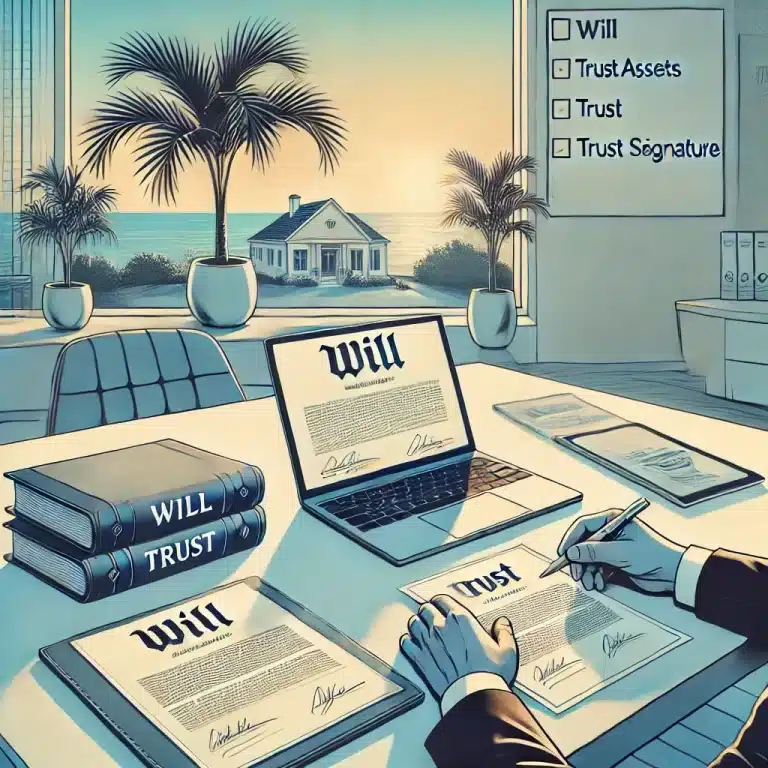
Summary Checklist for January
- [ ] Life Audit: Did the family tree change?
- [ ] Incapacity Check: Is your Power of Attorney current?
- [ ] Beneficiary Review: Do your accounts match your Will?
Is Your Plan Ready for 2026?
Don’t guess when it comes to your family’s future. If you haven’t reviewed your estate plan in the last few years, let’s ensure your documents are doing their job.
Disclaimer: The hiring of a lawyer is an important decision that should not be based solely upon advertisements. Before you decide, ask us to send you free written information about our qualifications and experience. This blog post is for general informational purposes only and does not constitute legal advice. Reading this article or contacting our office does not create an attorney-client relationship. Every legal situation is unique; you should consult with a qualified attorney regarding your individual circumstances. Nothing in this article should be considered tax advice. Our office does not provide tax advice, and you should consult with a qualified tax professional before taking any action that may have tax consequences.
Contact Us For More Information

Or Call 941-365-2253 for a Free Consultation
NOTE: The use of the Internet or this form for communication with the firm does not establish an attorney-client relationship. Confidential or time-sensitive information should not be sent through this form.